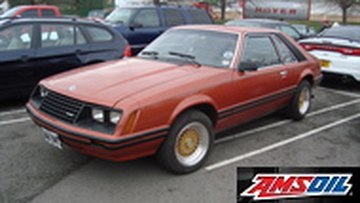
Lubrication Maintenance for the 1982 Ford MUSTANG 3.3L
Maintaining a vehicle from the early 1980s requires a shift in perspective compared to modern automotive care. For owners of a 1982 Ford Mustang equipped with the 3.3L engine, routine service is not just about following a schedule, but about active monitoring and understanding how aging components interact with various fluids. Proper lubrication management is a cornerstone of preserving the mechanical integrity of this engine over time.
Monitoring Fluid Integrity and Condition
One of the most effective ways to monitor the health of the 3.3L engine is through regular observation of the lubricant itself. While many owners focus solely on the volume of oil, the physical condition of the fluid can provide significant clues regarding internal engine states. When performing a routine check, it is useful to observe the color and consistency of the oil.
If the oil appears excessively dark or contains visible particulate matter, it may indicate that the lubricant has reached the end of its effective service life or that the filtration process is not keeping up with engine debris. Furthermore, any unusual odor or a milky appearance in the oil warrants immediate investigation, as these can be associated with various internal issues that require professional diagnosis. Consistent monitoring allows an owner to move from reactive repairs to proactive maintenance, addressing potential concerns before they escalate into more significant mechanical complications.
Observing Potential Warning Signs
Identifying changes in how the vehicle operates can prevent unexpected downtime. For a 1982 Mustang, several indicators may suggest that the lubrication system requires attention. While symptoms can have multiple underlying causes, certain signs should never be ignored:
- Visible Seepage: Inspecting the area around the engine for any evidence of fluid leakage is essential. Even small amounts of seepage on gaskets or seals can eventually lead to significant oil loss if left unaddressed.
- Changes in Consumption: If you notice that you are needing to add oil more frequently than in previous months, this change in consumption pattern should be investigated.
- Unusual Noises: Any new mechanical sounds during startup or while the engine is idling may indicate that lubrication is not reaching critical components as effectively as it should.
- Warning Indicators: If the vehicle is equipped with oil-related warning lights, any illumination of these indicators requires immediate attention to prevent potential damage.
It is important to remember that a single symptom does not provide a definitive diagnosis. For instance, an odor of burning oil might indicate oil contacting a hot surface rather than an internal engine issue. Always treat these signs as prompts for a thorough inspection rather than absolute conclusions.
Prioritizing Long-Term Engine Care
As vehicles age, the strategy for maintenance should evolve. For long-term ownership of a 1982 Ford Mustang, it is often more effective to prioritize maintenance based on the current condition of the vehicle rather than relying solely on its age. This means establishing a baseline of what "normal" looks like for your specific engine.
If you have recently acquired the vehicle or do not have access to a complete service history, your first priority should be to create a maintenance record. Documenting every oil change, filter replacement, and fluid inspection helps identify patterns. For example, if you notice that certain seals are beginning to show signs of age-related seepage, you can plan for repairs during scheduled downtime rather than being caught by an unexpected leak. This methodical approach allows you to distinguish between necessary preventive maintenance and unnecessary parts replacement, ensuring that your resources are directed toward the most impactful service tasks.
Inspecting Aging Components and Connections
Beyond the oil itself, several peripheral components should be part of a routine inspection regimen. For an engine from this era, checking the condition of various connections and auxiliary systems is prudent. If equipped, inspect accessible drive belts for signs of cracking, glazing, or fraying. Similarly, if the vehicle has various hoses present, check them for brittleness or soft spots that could indicate impending failure.
Electrical connections and wiring should also be inspected for signs of corrosion or heat damage, as these can affect how sensors and other engine-related components function. By conducting these visual checks during every oil service, you create multiple opportunities to catch minor issues before they impact the vehicle's drivability. This holistic view of the engine bay ensures that the lubrication system is supported by a healthy network of belts, hoses, and electrical pathways.
Effective Record Keeping for Maintenance History
A well-documented service history is one of the most valuable assets an owner can maintain. For the 1982 Mustang 3.3L, keeping a detailed log of all fluid changes, including the specific products used and the dates performed, provides clarity when troubleshooting future issues. This documentation is particularly useful if you are trying to determine if a change in engine behavior is related to a recent service or an emerging mechanical trend.
A complete record should also include observations made during routine inspections, such as noted seepage or the condition of belts and hoses at the time of service. This creates a chronological map of the vehicle's health, making it much easier to identify when a component is transitioning from "serviceable" to "requiring attention."
Practical Advice for BUYING ENGINE OIL for your 1982 Ford MUSTANG 3.3L
When you are ready to replenish the engine lubricant, the most important step is to ensure that the product you select matches the specific requirements of your application. Rather than relying on general automotive knowledge or assumptions based on the vehicle's age, always refer to the application-specific oil viscosity and information provided on this webpage.
When selecting a product, consider the following practical steps:
- Verify Viscosity: Match the engine oil to the application-specific viscosity information shown above. Do not use an alternative grade unless it is explicitly supported by your vehicle's documentation.
- Check API Certification: Ensure that any oil you purchase carries a current and appropriate API certification to guarantee it meets modern standards for detergent and anti-wear properties.
- Evaluate Formulations: Depending on the current condition of your engine, you may choose between conventional, synthetic blend, or full synthetic oils. Some high-mileage formulations contain additives intended for use in aging engines, including seal-conditioning additives that may be beneficial for older seals.
- Inspect the Label: Always read the product label carefully before purchase to confirm it aligns with the technical specifications required for your 3.3L engine.
By following these guidelines and prioritizing the information provided in the application data, you can ensure that your lubrication choices support the continued operation of your Mustang.